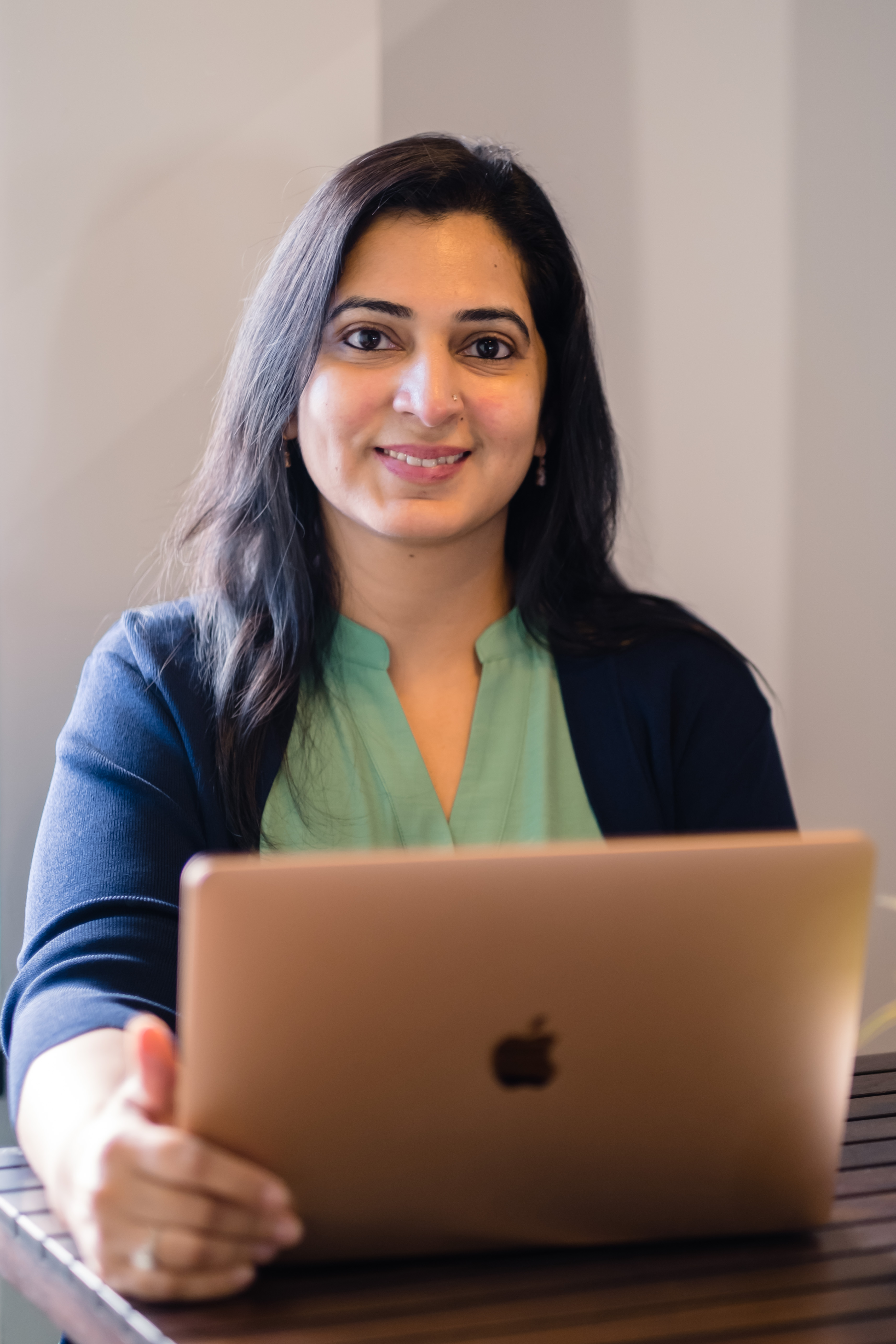
By Natashya Phillips, Managing Director and
Co-Founder, Luke Coutinho Holistic Healing Systems Pvt. Ltd.
A couple of years ago, we made a decision at LCHHS that
looked, on paper, like a risk. We cut our working week from six days to five.
Nobody was burning out yet, and we didn’t want to wait
until they were. People came back on Mondays with more energy, and most of what
we’d worried about never happened. It confirmed a hunch I’d had for a while.
Giving people room to recover doesn’t mean asking less of them. The decisions
that shape people’s health most are often business decisions, and leaders are
the ones making them.
Over more than 25 years, I’ve worked across fitness,
technology and healthcare, and today, as Managing Director and Co-Founder, I
spend most of my time on the business side of LCHHS. Through all of it, one
lesson has stayed with me. Energy and performance go together.
Our move to Foundational Medicine and Lifestyle
strengthened that further for me and my team. Lasting health is built through
everyday habits, not the quick fix you reach for once something has gone wrong.
Organizations work the same way. And in a business like ours, where the work
touches people’s health, how the team is feeling shows up directly in the care
our clients receive.
Trust Over Timesheets
I’ve stopped looking for culture in policy documents. You
find it on an ordinary weekday. Can a new team member ask a basic question
without feeling intimidated? Can someone say a deadline won’t work before it
becomes a crisis? Underneath both is the same thing: trust.
Our whole work-from-home model is built on that trust.
We’ve been remote from day one, and we don’t micromanage. Nobody is told to
start at nine and finish at six, and nobody is following up on how each person
spends their hours. We look at what gets delivered, not when someone is online.
People plan their own day. For a team that is mostly women, that counts for a
lot. If something at home needs attention in the afternoon, they can step away
and pick the work back up later.
That freedom has a flip side, though. The laptop never
quite closes. When home doubles as the office, the line blurs easily, so we
keep an eye on it. Some time ago our team even tried an eight-day digital detox
together: less scrolling, fewer notifications, screen-free mornings, meals and
bedtimes. The first two days were awkward. By the end, several people said they
were sleeping better and felt more present at home in the evenings. No magic
formula came out of it, just a reminder that when a team changes one habit
together, people start noticing all the others.
Resilience, With a Little Tough Love
People sometimes use “resilience” as a polite way of
saying someone can take more. That’s not what I mean by it. To me, a resilient
team doesn’t panic when plans change. It gets tired after a hard month, like
anyone would, and then it recovers. And when something starts going wrong,
someone speaks up early instead of struggling quietly.
That kind of resilience is harder to build today, and I’ll
be honest about why. There’s a real difference between generations. Many of us
were raised on hard work and saving for a rainy day. A lot of the younger
people joining us now would rather enjoy life while they can and spend their
money on experiences. Personally, I don't see anything wrong with that. What I
do see is that they burn out quicker, and far more of them are dealing with
emotional health issues than people my age ever admitted to.
So at LCHHS, resilience has turned into something like
tough love, if I may call it that. The hard work is still expected. But we also
try to notice when someone is running low, give them a break before it gets
worse, and make sure they can speak to a counselor whenever they need to. We’re
still learning here, and I’d rather say that than pretend otherwise.
On a personal level, my method is very old school. I
picked it up from different leaders I’ve worked under. If someone comes to me
with a problem, I ask them to go back and bring me three or four solutions.
More often than not, they already know half the answer. They just hadn’t paused
long enough to find it. After a while, people start coming in with options
instead of only problems, and that habit helps a great deal when things get
rough.
Things will get rough at times, no doubt. One difficult
month I can live with. It’s when one difficult month runs into the next, and
then the next, that I start to worry, because by then people have forgotten
what an ordinary week feels like. Pressure isn’t really the issue. Pressure
that never lets up is.
Standards Still Matter
Some people assume a wellness-minded company must be soft
on performance. We aren’t. Being vague about what you expect from someone is
unkind, because they end up guessing, and guessing is exhausting.
So we keep things clear and, as far as possible,
data-driven. Our KRAs are built around numbers, and that’s what we review
people against. When a review is about the data and not about personalities, it
stays fair. People know where they stand, and nobody walks out feeling it was
personal.
Growth is the other half of it. Quite a few of our leaders
came in as nutritionists or coaches. Today they’re reading data, shaping
strategy, and managing teams. They haven’t lost the compassion that brought
them into this work. They’ve simply learned that care needs some structure
around it if it’s going to last.
It Starts at the Top
Teams take their cues from their leaders, often without
realizing it. When we started encouraging people to take calls on a walk, very
few did at first. It only really caught on once they heard me on calls with
birds chirping in the background. People needed to see that it was genuinely
allowed. A policy can give permission, but it’s the leader’s example that makes
people believe it.
Leaders need looking after too, and we hardly ever say so.
It’s very hard for an exhausted leadership team to build a calm, healthy one.
As I said, most of our people are women, and plenty of
them are juggling far more than their job. Flexibility helps. Trust helps more.
So does having someone a few steps ahead who has been through it. When senior
women take the time to mentor the ones coming up, the advice passed on is
practical, lived-in, and, frankly, hard to find anywhere else.
Measuring What Matters
I’m ambitious for LCHHS, and I expect us to deliver. But
our clients have taught me that nobody gets lastingly healthy from six weeks of
extreme discipline. They get there through a way of living they can keep up.
Businesses are the same. If growth is wearing your people out, it won’t last.
Every hire, every leader we develop, and every process we
put in place eventually shapes the experience of the next client who trusts us
with their health. I genuinely can’t separate how we treat our people from how
we treat our clients.
A good workplace, to me, is one where people can do work
they’re proud of, get through the rough patches, and still feel like themselves
at the end of it.